
Rigid Packaging vs. Flexible Packaging
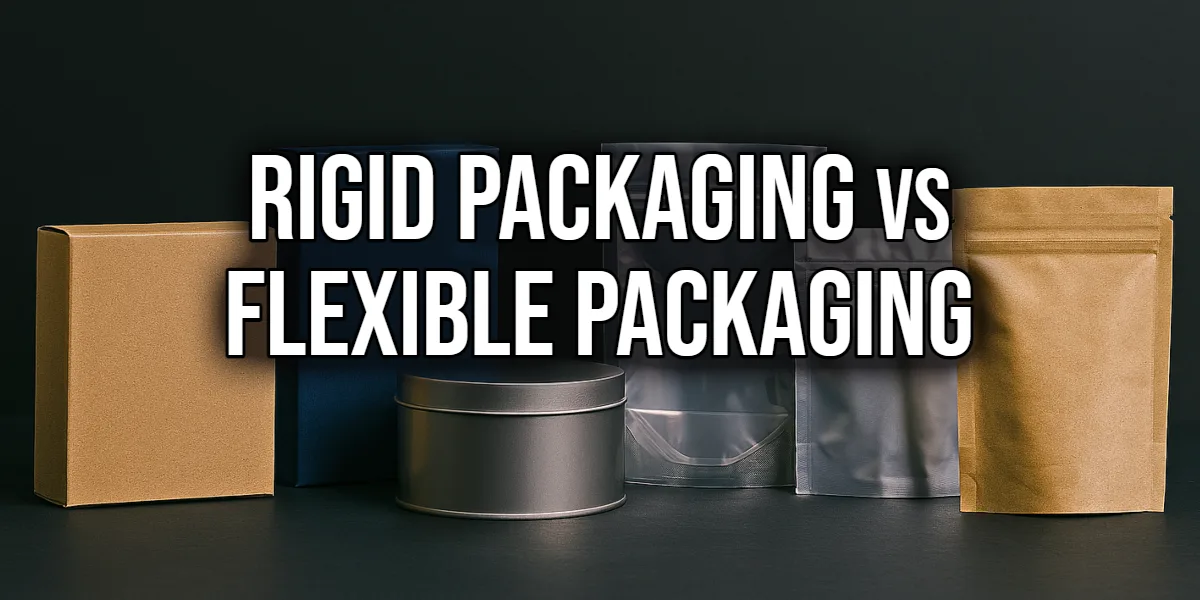
The debate between rigid and flexible packaging has been shaping the packaging industry for decades — but the difference today isn’t just about appearance. It’s about efficiency, sustainability, and performance. Modern brands want packaging that ships lighter, lasts longer, and builds loyalty through convenience. Let’s break down how these two formats compare — and why flexible packaging is gaining ground fast.
What Is Rigid Packaging?
Rigid packaging refers to containers that hold their shape — glass jars, aluminum cans, PET bottles, and corrugated boxes. These materials provide superior strength and a premium, structured look that consumers associate with quality. You’ll find rigid packaging across categories like beverages, cosmetics, household goods, and premium foods. It excels at protection and stackability but carries higher production, storage, and freight costs. Rigid materials are also heavier and less space-efficient than their flexible counterparts.
What Is Flexible Packaging?
Flexible packaging uses layered films, foils, or laminates that bend or conform to the product shape. Common examples include stand-up pouches, rollstock film, resealable snack bags, and refill pouches. These formats can reduce total material use by up to 70% while cutting transport emissions by nearly 50–75%. Flexible packaging’s combination of design freedom, resealability, and lighter weight has made it the preferred choice for products ranging from baby food to detergent refills.
Industry Dynamics: The Stats
- 21% of the U.S. packaging market (roughly $180.3 billion) is flexible packaging, according to the Flexible Packaging Association.
- The global flexible packaging market was valued at $270.96 billion in 2023 and is projected to reach $373.34 billion by 2030, growing at a CAGR of 4.8% (Grand View Research).
- The global rigid packaging market totaled $479.9 billion in 2023 and is forecast to hit $796.7 billion by 2030, expanding at a CAGR of 7.0% (Grand View Research).
These figures show that rigid packaging remains the larger overall market, but flexible packaging is expanding faster — fueled by e-commerce, food innovation, and sustainability mandates. Brands are embracing flexible formats to cut logistics costs, reduce carbon footprints, and improve shelf presence without sacrificing protection or performance.
Rigid vs. Flexible: A Quick Comparison
| Feature | Rigid Packaging | Flexible Packaging |
|---|---|---|
| Weight & Cost | Heavier, higher freight and storage costs. | Up to 85% lighter; lower shipping and warehousing costs. |
| Sustainability | Easier to recycle (glass, aluminum) but energy-intensive to produce. | Uses 60–70% less material and lowers CO₂ emissions up to 75%. |
| Protection | Excellent for fragile, high-value items. | Modern barrier laminates rival rigid in protection and shelf life. |
| Shelf Appeal | Structured, traditional, premium appearance. | Sleek, modern design with full-surface print and custom shapes. |
| Consumer Convenience | Rigid, less portable, fewer closure options. | Lightweight, resealable, easy-open, e-commerce-ready. |
| Customization | Limited by molds and tooling. | Flexible shapes, zippers, spouts, and premium finishes. |
Why Brands Are Shifting to Flexible Packaging
For most brands, the shift toward flexible packaging is driven by measurable benefits. It cuts material and freight costs, increases production speed, and aligns with consumer demand for lightweight, resealable packaging. Brands like Campbell’s, Gerber, and Daisy have all transitioned from cans, jars, and tubs to pouches and rollstock formats. The result: faster throughput, lower environmental impact, and higher sales velocity.
Environmental Impact
Rigid packaging materials such as glass and metal are easy to recycle but are energy-intensive to produce and ship. Flexible packaging has a smaller carbon footprint across its life cycle, using less energy and water while generating fewer greenhouse gases. According to the Flexible Packaging Association, flexible structures require less energy to manufacture and transport, reduce product waste, and send less material to landfills. With roughly 50% of flexible plastics now recyclable through store drop-off or chemical recovery, flexible packaging continues to close the loop on sustainability.
When Rigid Still Makes Sense
Rigid formats remain the go-to for fragile, refillable, or luxury products where structure, weight, or premium feel is non-negotiable — for example, glass bottles, perfumes, and aerosols. They also make sense in closed-loop recycling systems or where brand identity depends on a solid, tactile experience. Rigid packaging isn’t disappearing; it’s simply sharing the spotlight with flexible solutions.
Why Brands Partner with Hawk Flex Packaging
At Hawk Flex Packaging, we help brands make smarter packaging choices backed by data and real-world performance. Our team guides clients through every step — from material selection and barrier engineering to print design and nationwide fulfillment. We proudly serve brands across the United States, including those in Montana, and deliver fast, dependable service nationwide. By combining high-barrier film technology, custom graphics, and rapid lead times — rollstock in 10 business days and formed pouches in 15 — we give brands the flexibility to scale efficiently while maintaining exceptional quality.
Key Takeaways
- Rigid packaging remains essential for products that need structure, protection, or premium presentation.
- Flexible packaging is growing faster, cutting costs, emissions, and material use for everyday goods.
- Flexible formats can reduce material use by 60–70%, lower shipping costs by up to 50%, and improve carbon efficiency by as much as 75% versus rigid.
- Brands that switch now gain a measurable edge in logistics, sustainability, and consumer convenience.
Ultimately, the smartest brands aren’t choosing one format over the other — they’re choosing what makes sense for their product and their customers. Flexible packaging is the format built for speed, sustainability, and modern consumer expectations. And with Hawk Flex Packaging as your partner, you’ll have the technical expertise and reliability to make that transition seamless.