
The Unpacked Blog
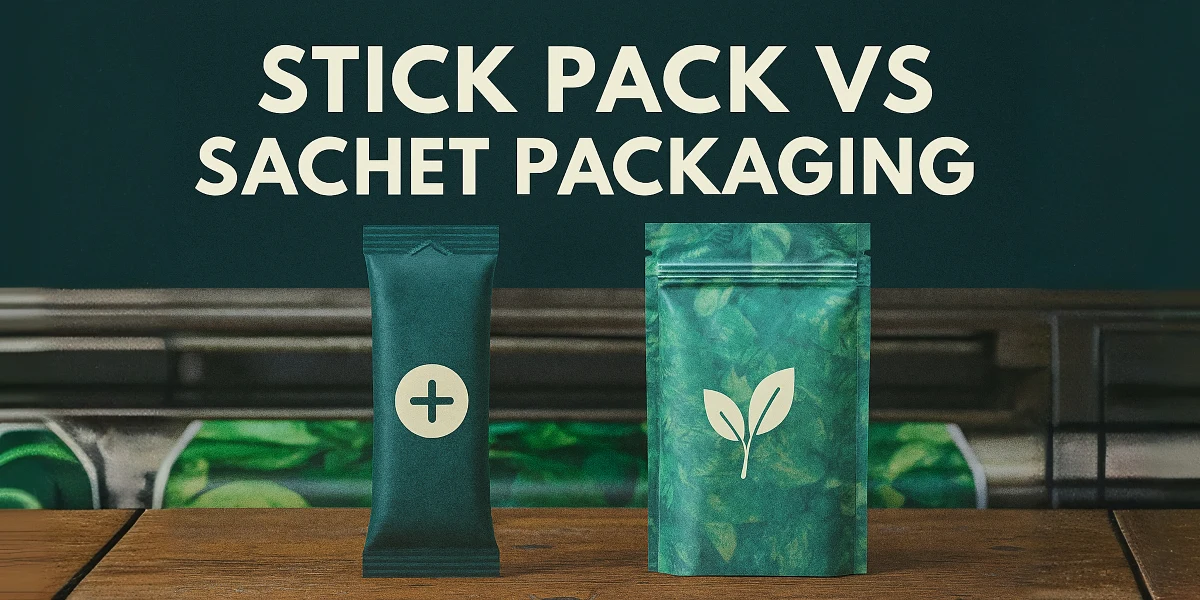
Stick Pack vs Sachet Packaging: What’s the Difference?
Stick packs and sachets compared on film use, line speed, fill accuracy and shelf presence, with guidance on which suits powders, liquids and gels.
Is Digital Printing Sustainable? The Real Environmental Impact of Modern Packaging!
Digital printing cuts plate waste and lets you print only what you need, but it is not automatically greener. What the environmental trade-offs really are.
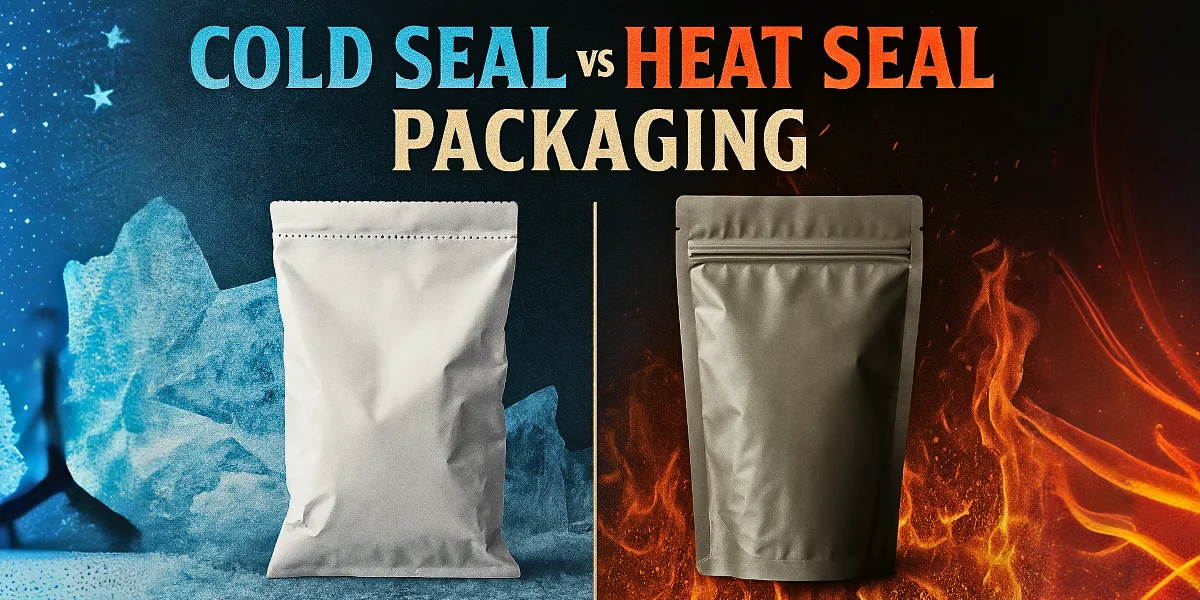
Cold Seal vs Heat Seal Packaging: Which Delivers the Best Results?
Cold seal and heat seal compared on speed, cost, shelf life and product safety, with a straight answer on which one suits your product and line.
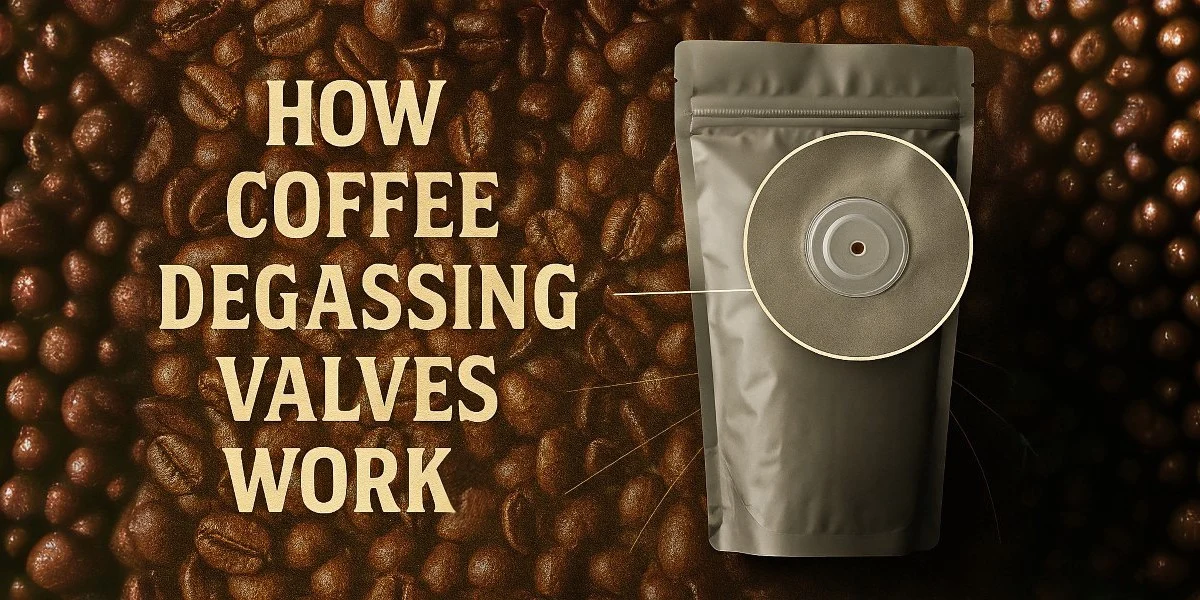
How Coffee Degassing Valves Work: The Science of Preserving Freshness
Freshly roasted coffee releases CO2 for days. How a one-way degassing valve lets it out without letting oxygen in, and where to place it on a bag.

Anatomy of a Flexible Pouch
Film structure, gussets, seals, zippers, barrier layers and finishes: every part of a flexible pouch explained, and what each one does for your product.
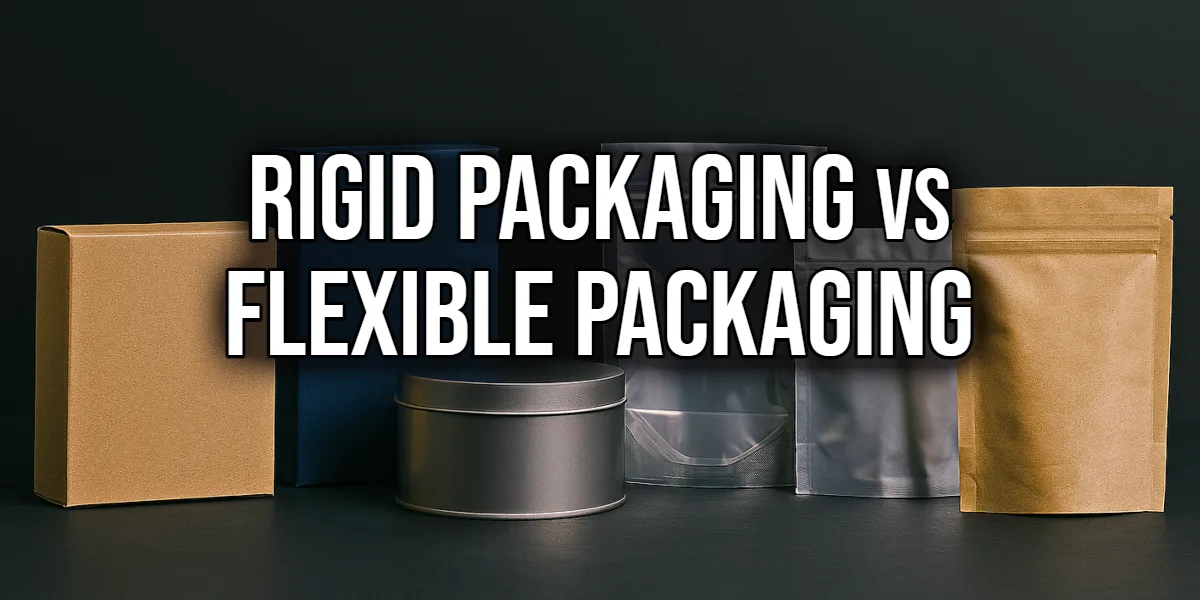
Rigid Packaging vs Flexible Packaging
Rigid and flexible packaging compared on material cost, freight, shelf space and sustainability, and why brands keep moving from one to the other.
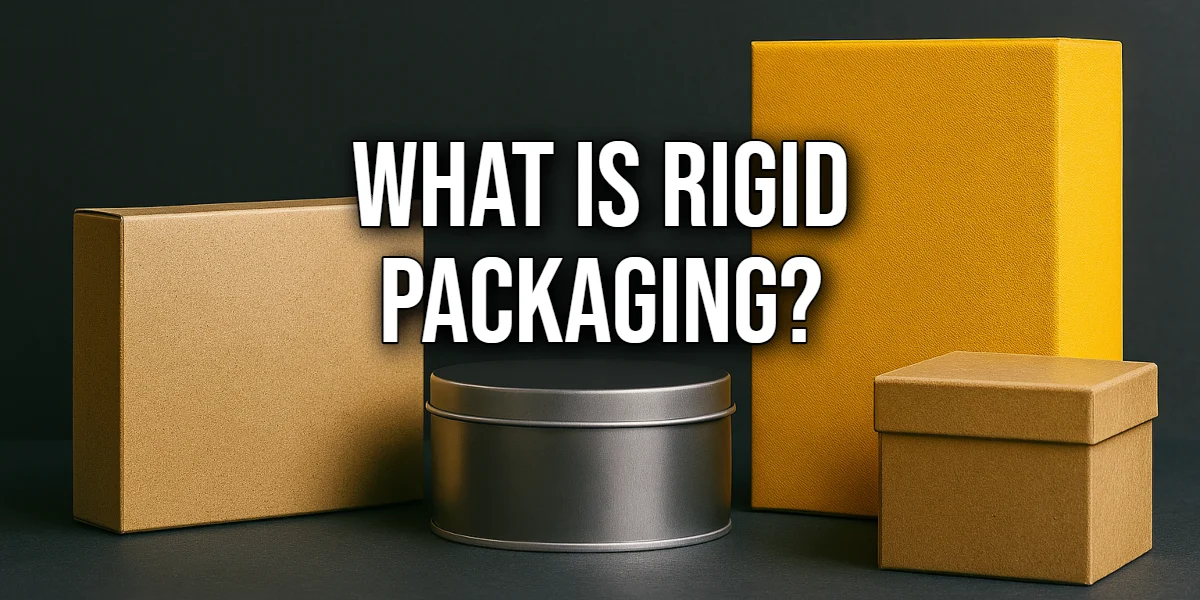
What is Rigid Packaging?
Rigid packaging explained: the common types, where it outperforms flexible formats, and the cost, freight and shelf trade-offs that come with it.
What is Cold Seal Packaging?
Cold seal packaging seals under pressure instead of heat, which protects heat-sensitive products and runs faster. How it works and which films suit it.

What is a Mylar Bag?
What a Mylar bag actually is, why its barrier is so strong, where it is used from food storage to pet products, and how it compares to other films.

Digital Printing on Plastic Film
How digital printing on plastic film works, which films it suits, and how it compares with rotogravure on cost, colour and run length.
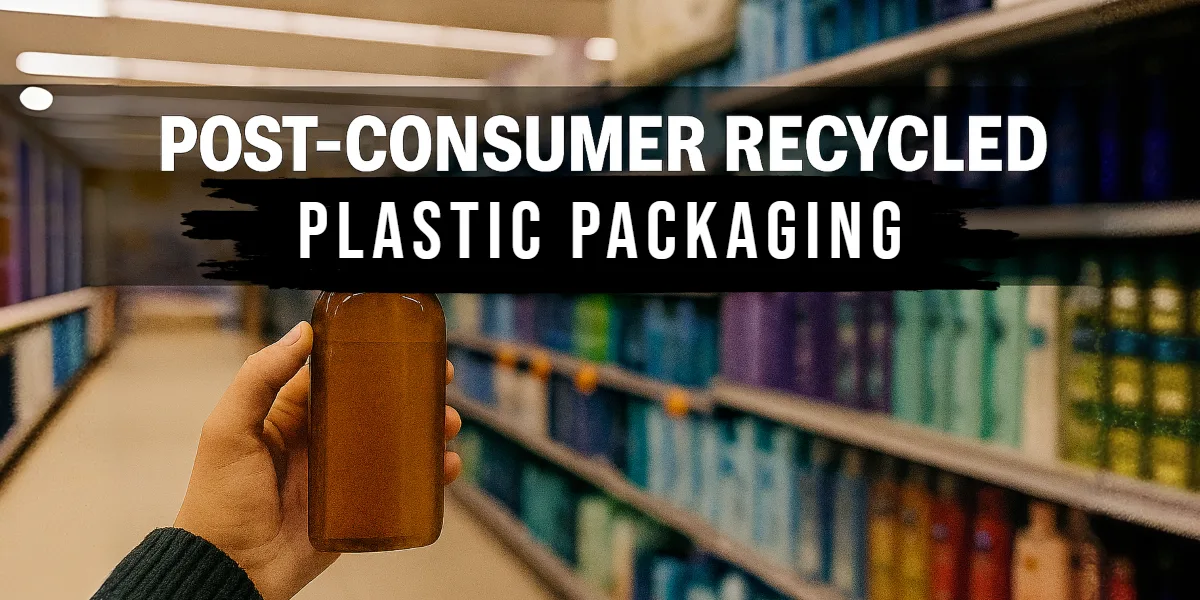
Post-Consumer Recycled (PCR) Plastic Packaging
Post-consumer recycled film explained: where PCR works, where it does not, what it does to barrier and print, and how to transition without surprises.
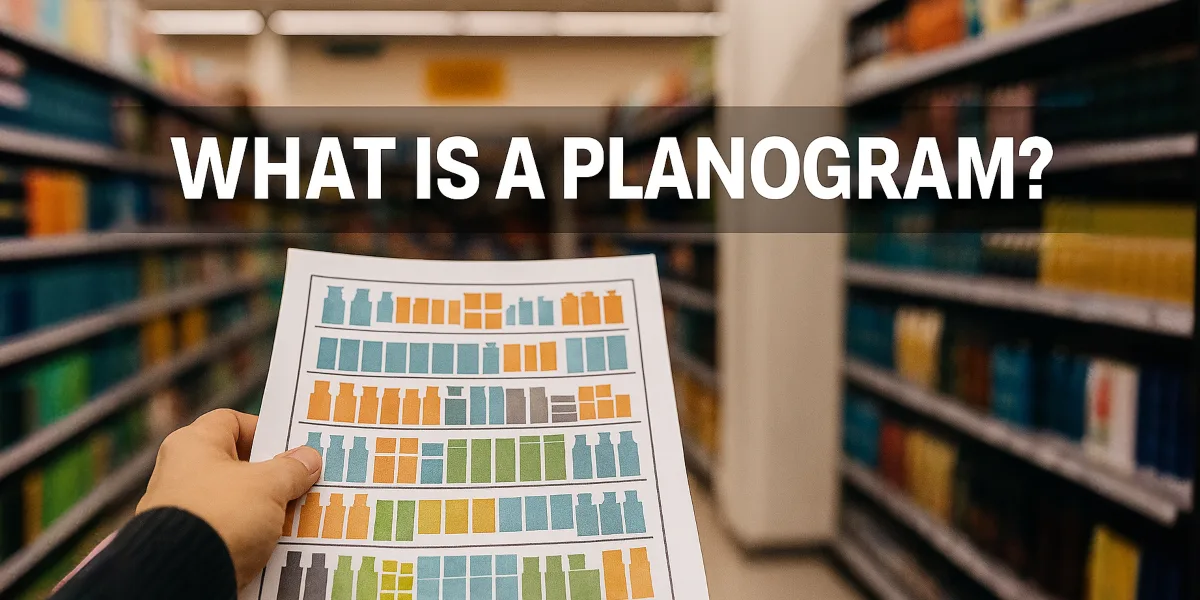
What is a Planogram?
What a planogram is, how retailers use them, and how to design a pouch that earns its facings instead of getting lost between competitors.
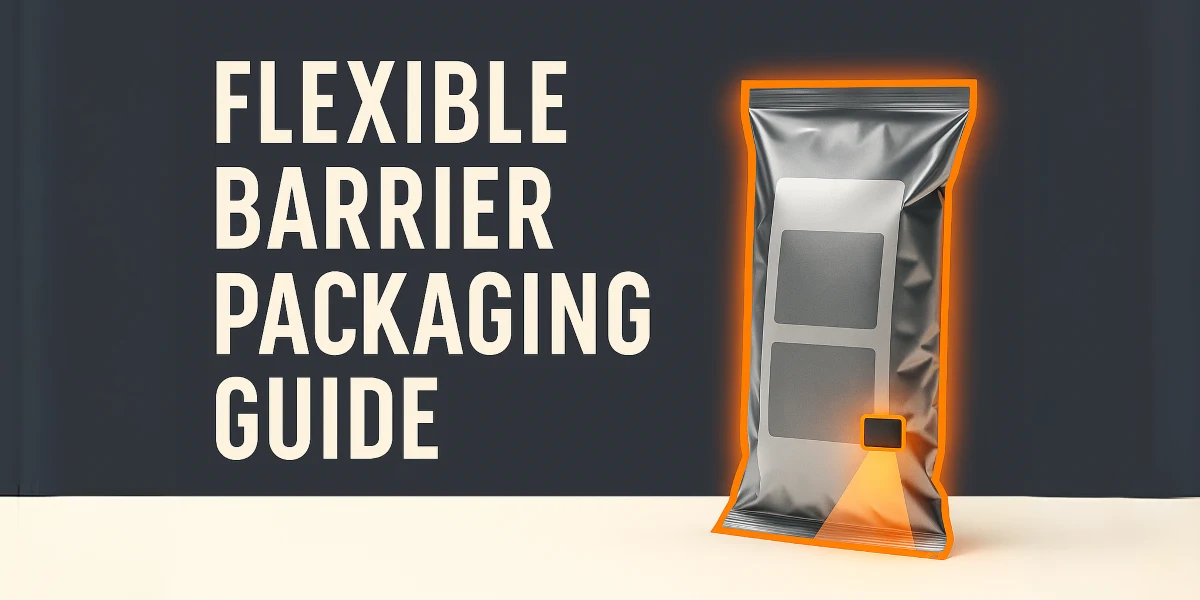
Flexible Barrier Packaging Guide
Oxygen, moisture, light and aroma barriers explained, with common film structures and how to choose the right one for your product's shelf life.
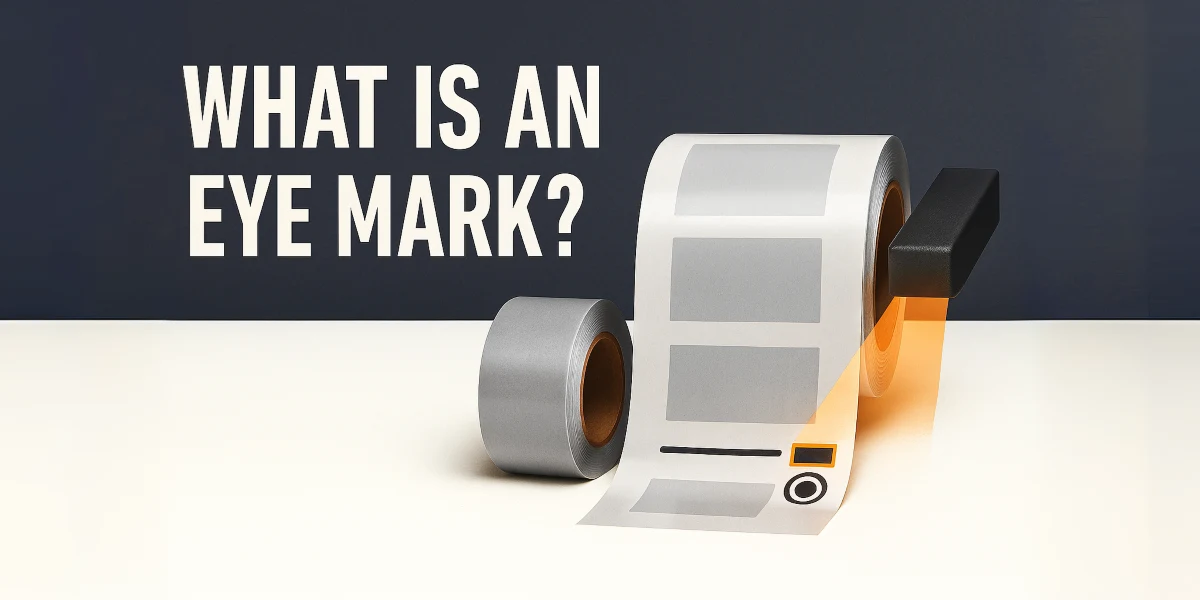
What is an Eye Mark?
Eye marks keep form-fill-seal lines cutting in the right place. What they are, how to size and position one, and the mistakes that cause misregistration.
Polymer Packaging for Modern Brands
The polymers behind flexible packaging, what each film layer does, and how to pick a structure that balances barrier, cost and recyclability.
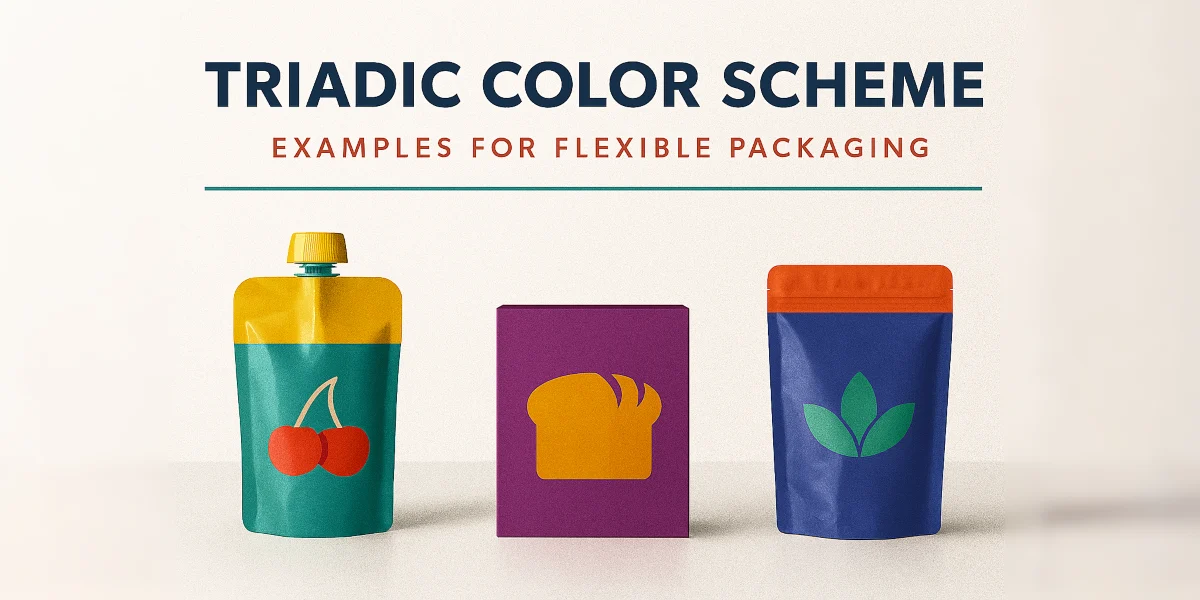
Triadic Color Scheme Examples for Flexible Packaging
How triadic color schemes work on flexible packaging, with examples and practical tips for picking three colors that hold up on a crowded shelf.
Popular Paper Bag Materials for Modern Packaging
Kraft, coated, recycled and laminated paper bag materials compared on strength, print quality and cost, and when a flexible pouch suits the job better.

What is Retort Packaging?
Retort pouches are sterilised after sealing, so shelf-stable meals need no refrigeration. How the process works and what the film has to withstand.
Gauge to Micron Conversion Chart
Convert film gauge to microns and mils with a quick reference chart, plus typical thicknesses for the films used in flexible packaging.
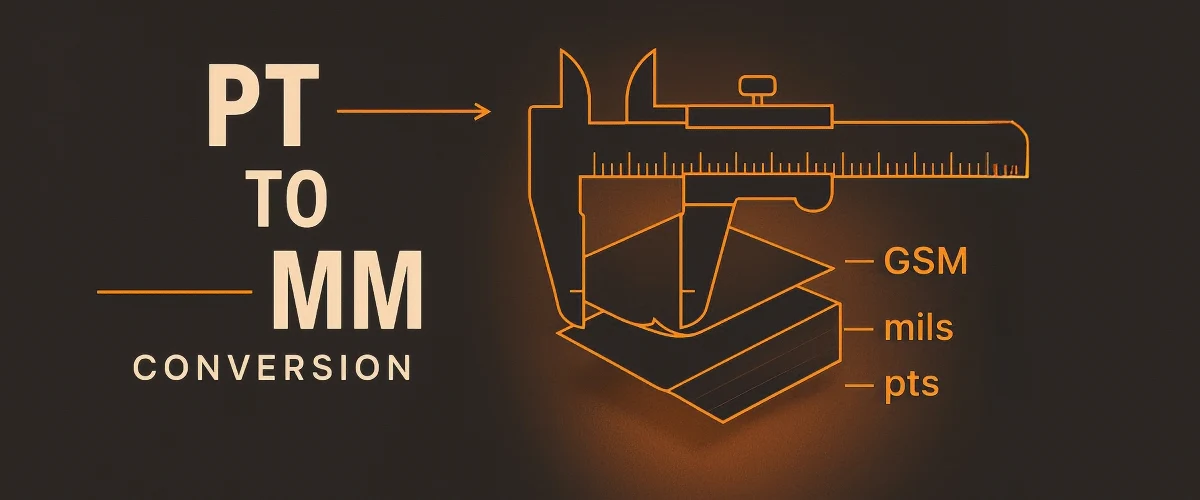
Pt to MM Conversion Chart
Convert points to mm both ways: typographic points (1 pt = 0.3528 mm) for design and CSS, and caliper points (1 pt = 0.0254 mm) for paperboard. Charts for each.

Paper Thickness Conversion Chart
Convert paper thickness between GSM, microns, mils and points with a quick reference chart, plus what each measurement actually means for packaging.
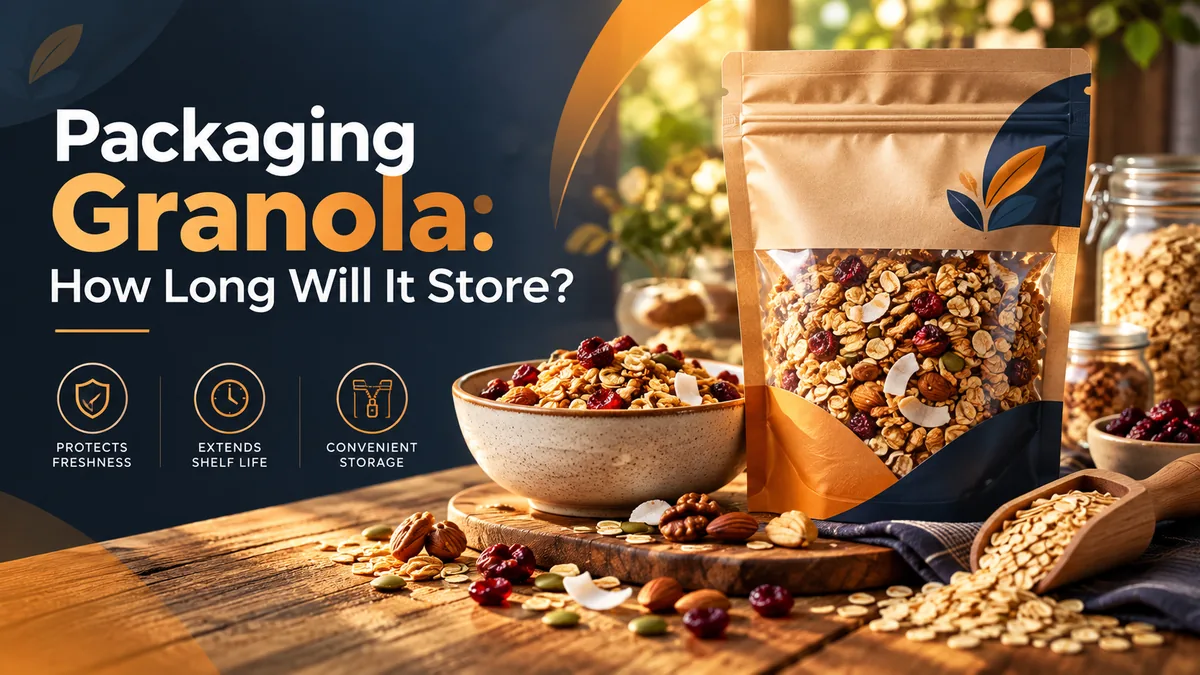
Packaging Granola: How Long Will It Store?
How long granola lasts and what decides it. Identical granola ran 33 to 271 days depending only on the film. Barrier targets, the crispness cliff, and what to specify.