
What is a Planogram?
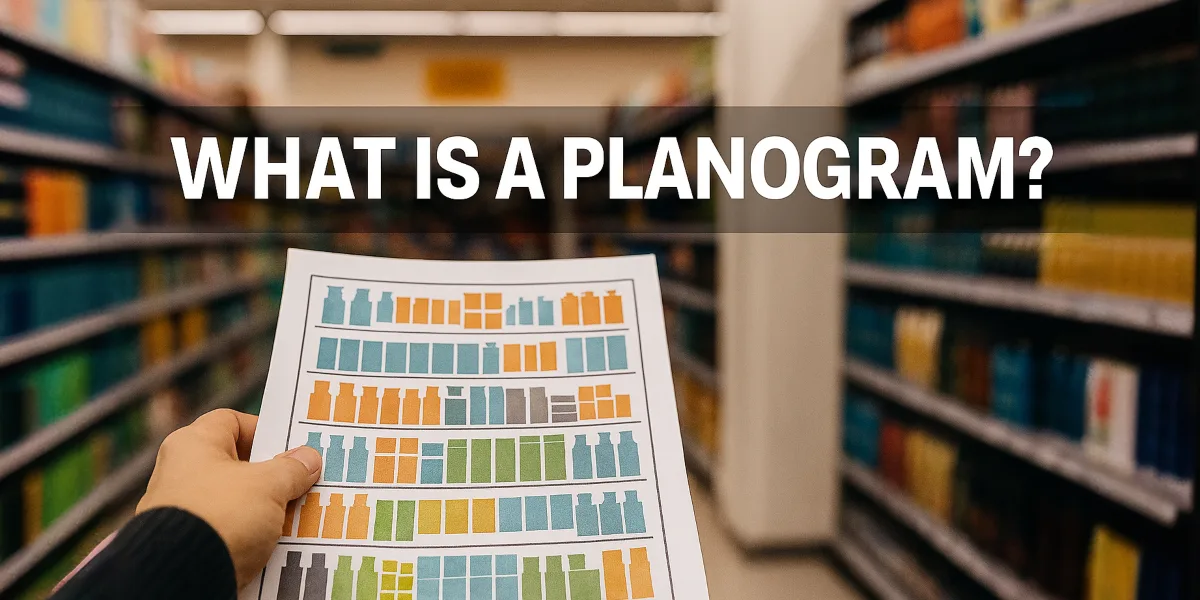
Shelf space is a battlefield. Whether you’re launching a new snack line or reworking your packaging for better retail impact, how your product looks and fits on a shelf can make or break its success. That’s where the planogram steps in. As a packaging-focused brand, you already know the packaging isn’t just a container—it’s your silent salesperson. Understanding how your flexible packaging interacts with planograms gives you a competitive edge.
At Hawk Flex Packaging, we help brands engineer not just the materials and printing of their pouches or bags, but also how those products will perform visually and physically on store shelves. When your product fits the planogram and stands out visually, shelf space becomes a strategic advantage—not just a cost of doing business.
What Is a Planogram?
A planogram (or “POG”) is a schematic representation of how merchandise is placed on store shelves, racks, or fixtures. It determines which products go where, how many facings each SKU gets, and what appears at eye level versus the bottom shelf.
For packaging designers and brand managers, being planogram-ready means your packaging not only protects the product but also helps drive sales through effective shelf placement and visibility.
Why Packaging and Planograms Go Hand in Hand
Visual Impact
Retailers use planograms to boost sales and create organized shopping experiences. Your packaging needs to complement those layouts through consistent design, size, and finish. Every color, pouch shape, and texture choice—from matte to gloss film—affects how your product integrates into the retailer’s display.
Format and Fit
Packaging formats matter: stand-up pouches, gusseted bags, and flow-wraps all occupy space differently. A poorly sized pouch can waste shelf height or width and throw off the entire planogram. At Hawk Flex Packaging, we make sure your film, print, and pouch geometry align with the display layout so every inch of shelf space works harder for your brand.
Compliance & Display Accuracy
Planograms are only effective if the final display matches the plan. Retailers track compliance closely, and mis-aligned packaging sizes or artwork can result in fines or lost facings. We help brands avoid these headaches by ensuring their flexible packaging dimensions and print align with planogram requirements.
Best Practices for Flexible Packaging in Planograms
- Know Your Shelf Space: Understand shelf height, depth, and facings before finalizing dimensions. This directly affects pouch width and gusset design.
- Maintain Format Consistency: Keep consistent sizing across SKUs to simplify retailer stocking and preserve planogram alignment.
- Optimize for Eye-Level Visibility: Use high-impact graphics and bold colors for top sellers that will occupy high-traffic shelf zones.
- Leverage SKU Density: Smaller pouches or multipacks increase facings and build a stronger visual block.
- Prototype for Fit: Test bag samples in mock retail setups to confirm stacking stability and visibility.
- Support Retail Partners: Provide visual references or planogram sheets with your shipments so merchandisers execute correctly in stores.
Real-World Example: Packaging Built for Shelf Strategy
A frozen-food brand recently partnered with Hawk Flex Packaging to redesign its stand-up pouches. By switching to a narrower profile and optimizing gusset depth, the brand added two extra facings per shelf section—boosting visibility and compliance. The new pouch also improved cold-chain durability, aligning with our custom frozen food packaging solutions that prioritize both strength and print quality.
Similarly, we’ve worked with food brands upgrading to flexible custom pasta packaging bags that align perfectly within planograms—reducing waste, maintaining brand consistency, and creating cohesive visual blocks across all SKUs.
Measuring Success & Avoiding Planogram Pitfalls
- Planogram Compliance Rate: Track how often your products appear as planned.
- Facings Count: More facings equal better brand dominance on the shelf.
- Stockability: Avoid odd sizes or unstable pouch structures that cause restocking issues.
- Visual Cohesion: Ensure packaging color, typography, and shape reinforce the brand block.
Avoid mismatched bag sizes, inconsistent branding, or non-standard shapes that confuse both shoppers and merchandisers. For additional insights on how merchandising strategies and store layouts influence consumer buying behavior, visit the National Retail Federation’s retail strategy resources.
Hawk Flex Packaging: Your Planogram-Ready Partner
At Hawk Flex Packaging, we merge structural design and visual strategy to help brands thrive on the shelf. We tailor materials, finishes, and formats to meet both brand and retailer requirements—ensuring every pouch fits the planogram and supports your sales strategy.
We proudly serve brands across the nation, including those in Colorado and Idaho, with full-service flexible packaging design and production. From concept to conversion, our team ensures your product is planogram-ready, shelf-optimized, and built to win nationwide placement.
Delivering Shelf-Smart Packaging for Brands Everywhere
Planograms define where products go. Great packaging determines whether they stay there. With expert materials engineering, precision printing, and an eye for retail performance, Hawk Flex Packaging helps brands design packaging that works as hard on the shelf as it does in production. Whether you’re scaling a snack line or introducing a new product to major retailers, we’ll make sure your flexible packaging looks sharp, fits right, and performs flawlessly—anywhere in the USA.