
What Is Rigid Packaging?
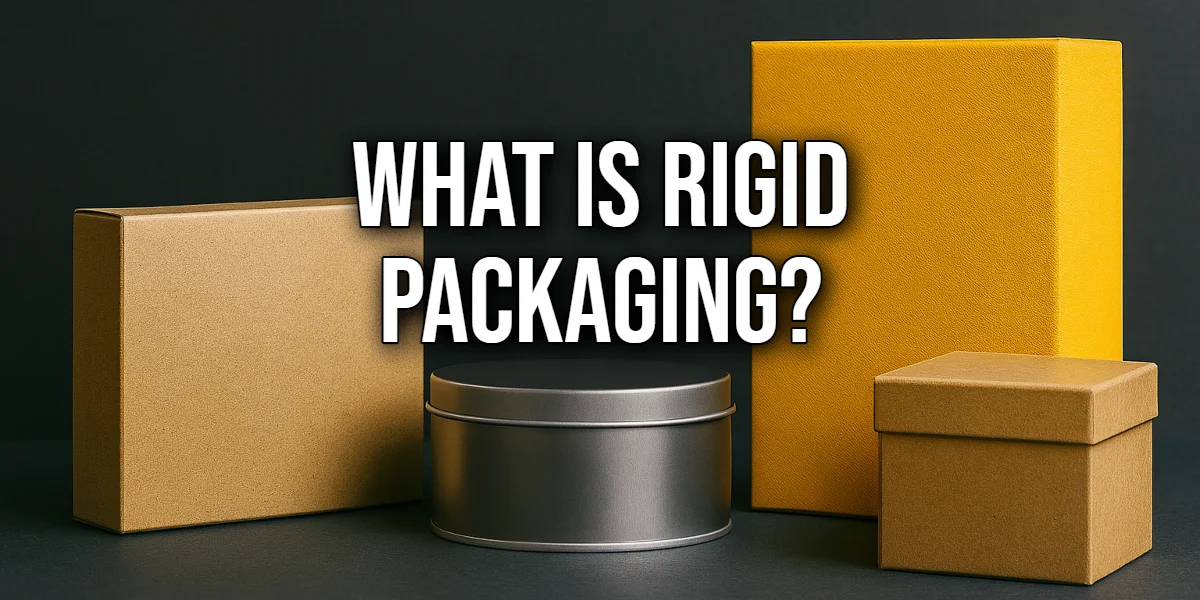
Not every package bends, folds, or flexes. Some stand firm, protect what’s inside, and project strength before the customer even opens it. That’s rigid packaging—the dependable, durable option designed to protect premium products and maintain structural integrity from factory to shelf.
At Hawk Flex Packaging, we work with brands across industries to evaluate when rigid packaging makes sense—and when flexible solutions can achieve the same protection with less material. Whether you’re selling health products, organic snacks, or skincare essentials, understanding how rigid packaging works is key to building a smarter, more cost-efficient brand.
What Is Rigid Packaging?
Rigid packaging refers to containers that retain their shape regardless of contents. Unlike flexible pouches or laminated films, these packages don’t collapse or wrinkle. They’re strong, stackable, and built to protect contents from crushing, punctures, or leaks.
Common materials used in rigid packaging include:
- Plastic (HDPE, PET, PP): Lightweight, strong, and ideal for bottles, jars, and tubs.
- Glass: Perfect for high-end beverages, sauces, and beauty products.
- Metal (Tin, Aluminum, Steel): Used for coffee, canned food, and airtight storage.
- Paperboard & Fiberboard: Often found in cosmetic and luxury packaging.
Rigid formats dominate in industries that value presentation and performance—like food, supplements, and personal care.
Common Types of Rigid Packaging
1. Plastic Containers
Rigid plastics like HDPE and PET are widely used for vitamins, powders, and nutraceuticals. They offer crystal-clear visibility and strong protection against impact. Rigid formats are common in custom dental aligner packaging and other medical or health-based applications where precision and hygiene matter.
2. Glass Packaging
Glass provides unbeatable barrier protection and visual appeal. It’s often used for luxury food and skincare products. For instance, custom facial mask packaging often incorporates glass or heavy-gauge materials to maintain a premium look while protecting moisture-sensitive contents.
3. Metal Containers
Aluminum and tin are rigid, recyclable, and ideal for foods requiring airtight seals. They’re also lightweight compared to glass—perfect for coffee, supplements, or pet food packaging.
4. Paperboard & Fiberboard Packaging
Paper-based rigid packaging provides a premium unboxing experience without the environmental downsides of pure plastic. It’s becoming a favorite for sustainable brands in the food industry, especially those using custom organic food packaging made from renewable materials.
Advantages of Rigid Packaging
- Superior Protection: Keeps fragile or heavy products safe during transit and storage.
- Premium Look & Feel: Adds weight, gloss, and tactile appeal that communicates quality.
- Reusable & Durable: Encourages brand loyalty through reusability and extended shelf life.
- Strong Shelf Presence: Stands upright and creates instant visibility on crowded shelves.
Rigid packaging can help establish brand authority, especially in premium product categories where tactile quality reinforces trust.
Challenges & Considerations
Despite its strengths, rigid packaging comes with trade-offs. It uses more material, takes up more space in transit, and can cost more per unit. However, brands are overcoming these challenges through lightweighting and PCR (post-consumer recycled) content integration, which reduce waste while maintaining durability.
At Hawk Flex Packaging, we analyze your specific needs to determine whether rigid, flexible, or hybrid solutions are most efficient for your production and logistics workflow.
Rigid Packaging Trends in 2025 & Beyond
- Recyclable & Bio-Based Materials: Growing demand for rigid plastics made from recycled or renewable sources.
- Minimalist Design: Brands are simplifying shapes and graphics for a cleaner, eco-modern look.
- Smart Packaging: Rigid formats now include QR codes, NFC chips, and freshness indicators.
- Hybrid Constructions: The future lies in merging rigid structure with flexible sustainability.
Rigid packaging isn’t going away—it’s evolving into a smarter, more sustainable version of itself.
Hawk Flex Packaging: Your Partner in Rigid & Flexible Innovation
At Hawk Flex Packaging, we design solutions that balance the visual strength of rigid packaging with the sustainability and flexibility today’s markets demand. From plastic jars to flexible laminates, we customize every material, seal, and finish for your exact product requirements. We proudly serve brands across the U.S., including those in Wyoming, and we provide fast, reliable service nationwide. Our packaging experts can help you select the right structure, reduce waste, and create a look that elevates your product on the shelf.
Conclusion: The Strength Behind Smart Packaging
So, what is rigid packaging? It’s the solid foundation of modern packaging design—protecting what matters most while delivering a premium brand experience. Whether you’re launching a new supplement line or redesigning a food container, Hawk Flex Packaging helps you make the right material choice from the start. We’ll guide you toward packaging that performs beautifully, looks exceptional, and supports your brand’s sustainability goals—nationwide.