Post-consumer recycled film explained: where PCR works, where it does not, what it does to barrier and print, and how to transition without surprises.
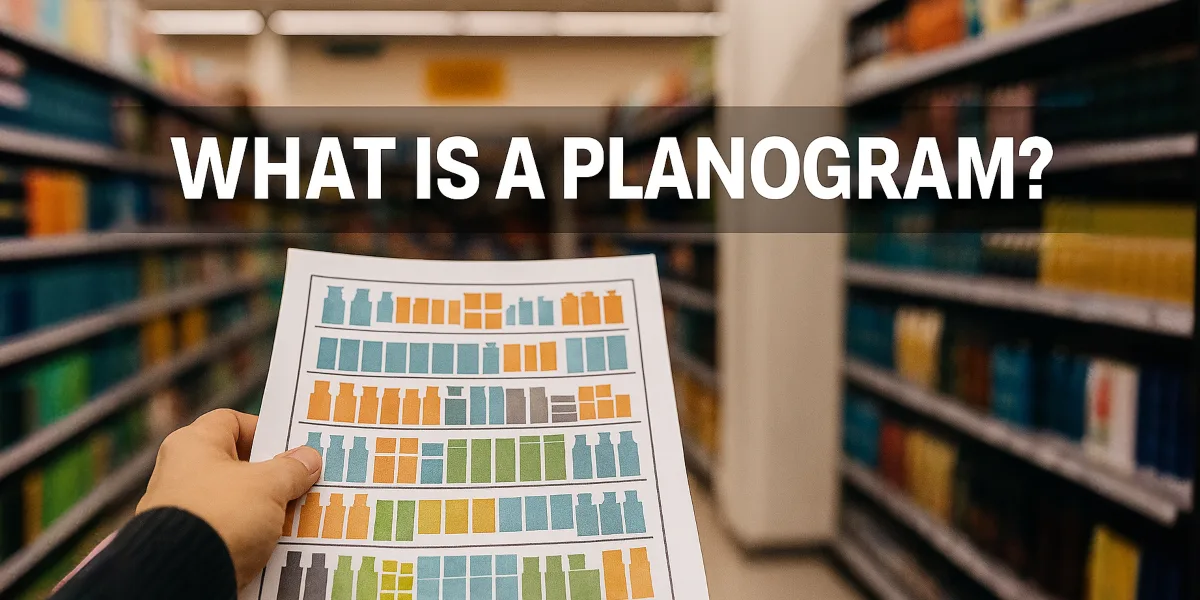
What a planogram is, how retailers use them, and how to design a pouch that earns its facings instead of getting lost between competitors.
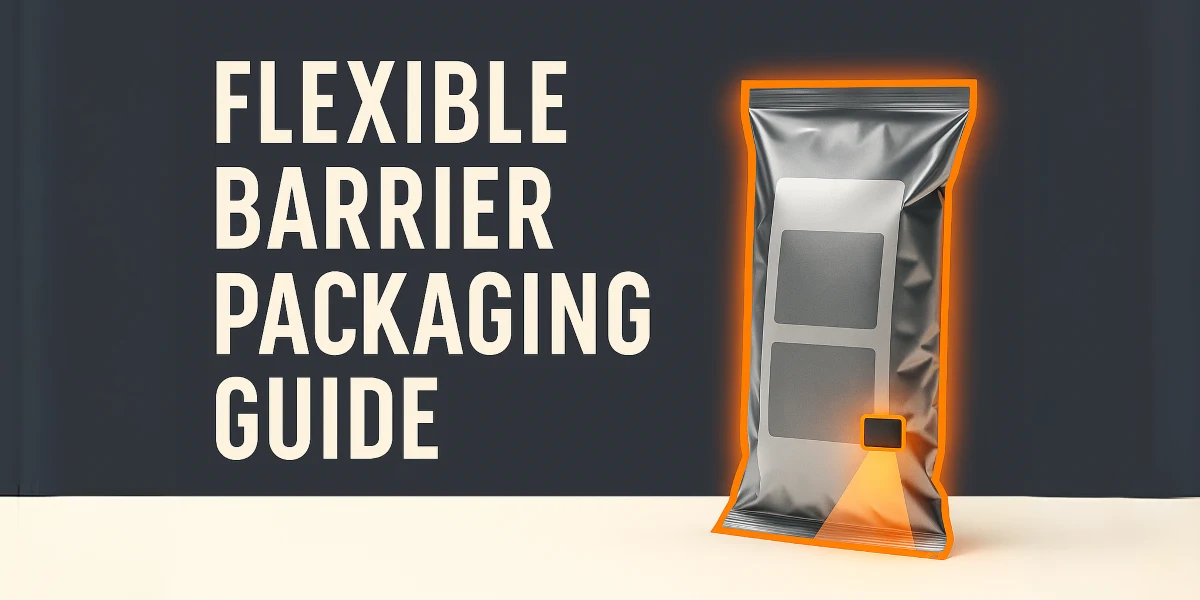
Oxygen, moisture, light and aroma barriers explained, with common film structures and how to choose the right one for your product's shelf life.
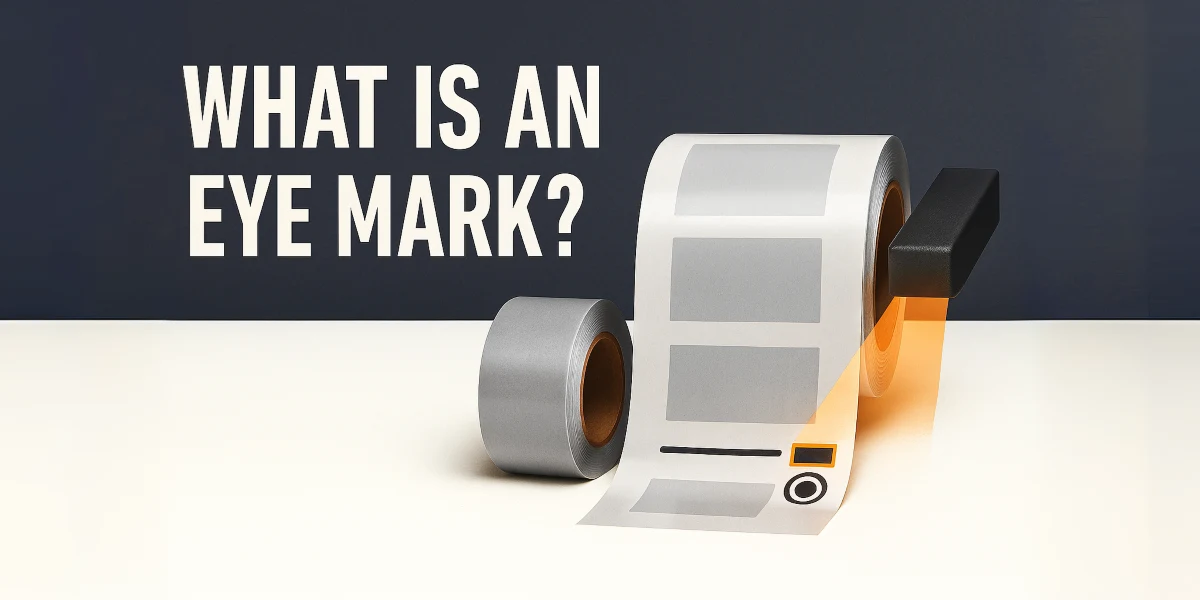
Eye marks keep form-fill-seal lines cutting in the right place. What they are, how to size and position one, and the mistakes that cause misregistration.
The polymers behind flexible packaging, what each film layer does, and how to pick a structure that balances barrier, cost and recyclability.
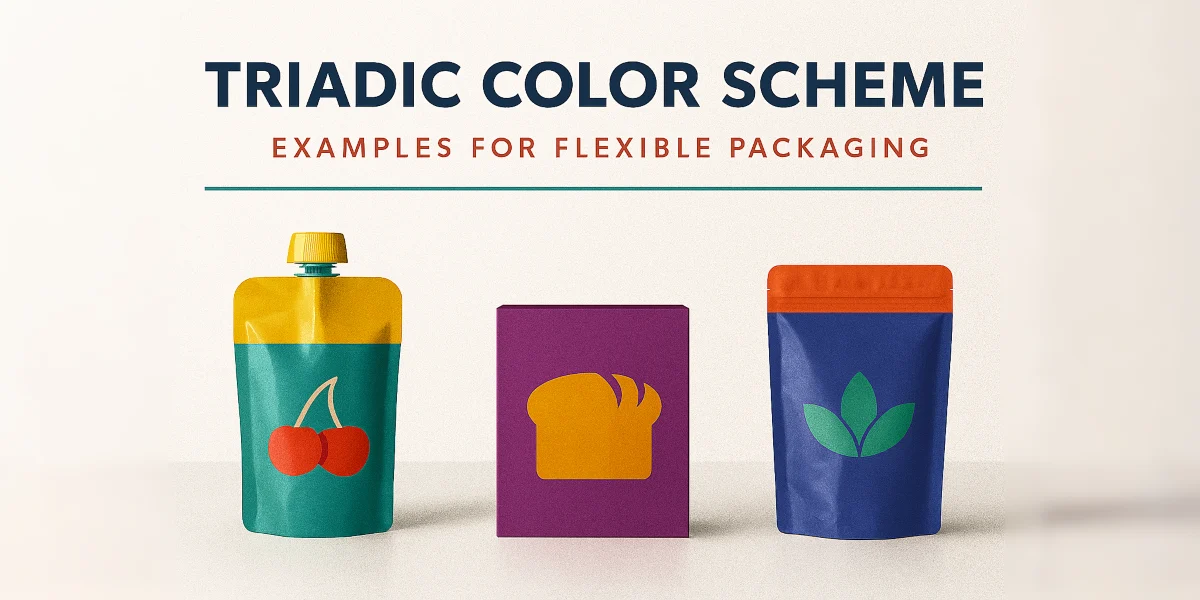
How triadic color schemes work on flexible packaging, with examples and practical tips for picking three colors that hold up on a crowded shelf.
Kraft, coated, recycled and laminated paper bag materials compared on strength, print quality and cost, and when a flexible pouch suits the job better.

Retort pouches are sterilised after sealing, so shelf-stable meals need no refrigeration. How the process works and what the film has to withstand.
Convert film gauge to microns and mils with a quick reference chart, plus typical thicknesses for the films used in flexible packaging.
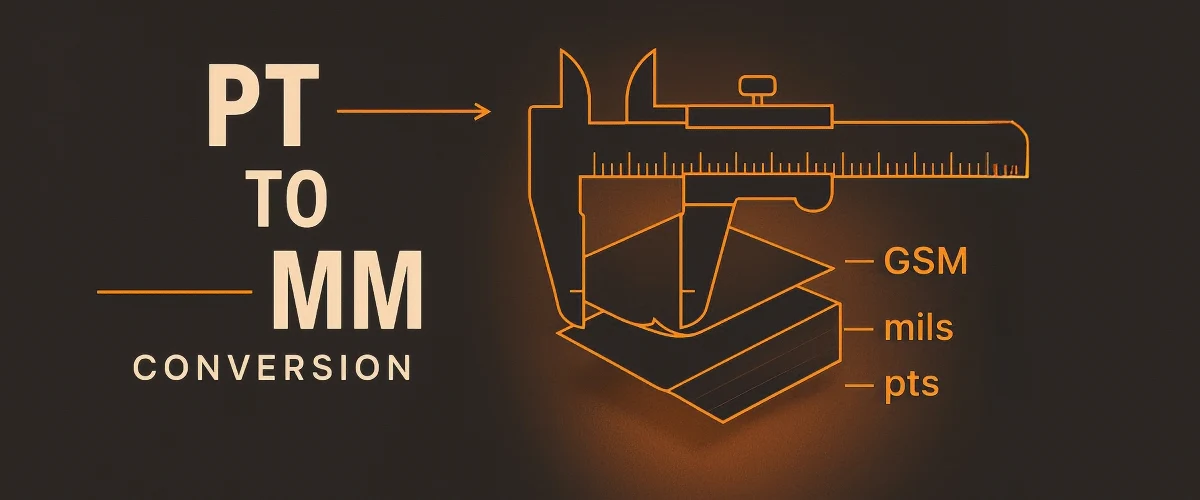
Convert points to mm both ways: typographic points (1 pt = 0.3528 mm) for design and CSS, and caliper points (1 pt = 0.0254 mm) for paperboard. Charts for each.
Need Help? Call Us: 877-319-6411

© Copyright 2012 - 2026 | All Rights Reserved
Quick Links
Contact Us